// Information Appliances
Every function a device can perform is something your brain has to hold open as a possibility.
A short one about Jef Raskin, the Canon Cat, and why a device that only does one thing asks less of you than one that does everything.
Also: a language with only one variable, a phone that used to do one thing at a time, and the iPod again.
The information appliance
.png)
A decade before Apple, Jef Raskin designed FLOW, a teaching language for humanities students with one variable, no maths operators, and seven commands in total. Type the first letter of a command and it filled in the rest, an early ancestor of autocomplete. The instinct was already there: strip out everything that isn’t the thing you came to do.
He started the Macintosh project at Apple in the late 1970s. He wanted something close to a “people’s computer”. Cheap, simple, humane. Apple took the project in a different direction, and eventually took it away from him entirely.
He left and started a company called Information Appliance, Inc. The technology it built became the Canon Cat, licensed and released by Canon in 1987. No mouse, no icons, no folders, no operating system to speak of. You turned it on and you wrote. It did one job. It’s often called the first information appliance: a device built around a single task, rather than a general-purpose computer wearing a costume.
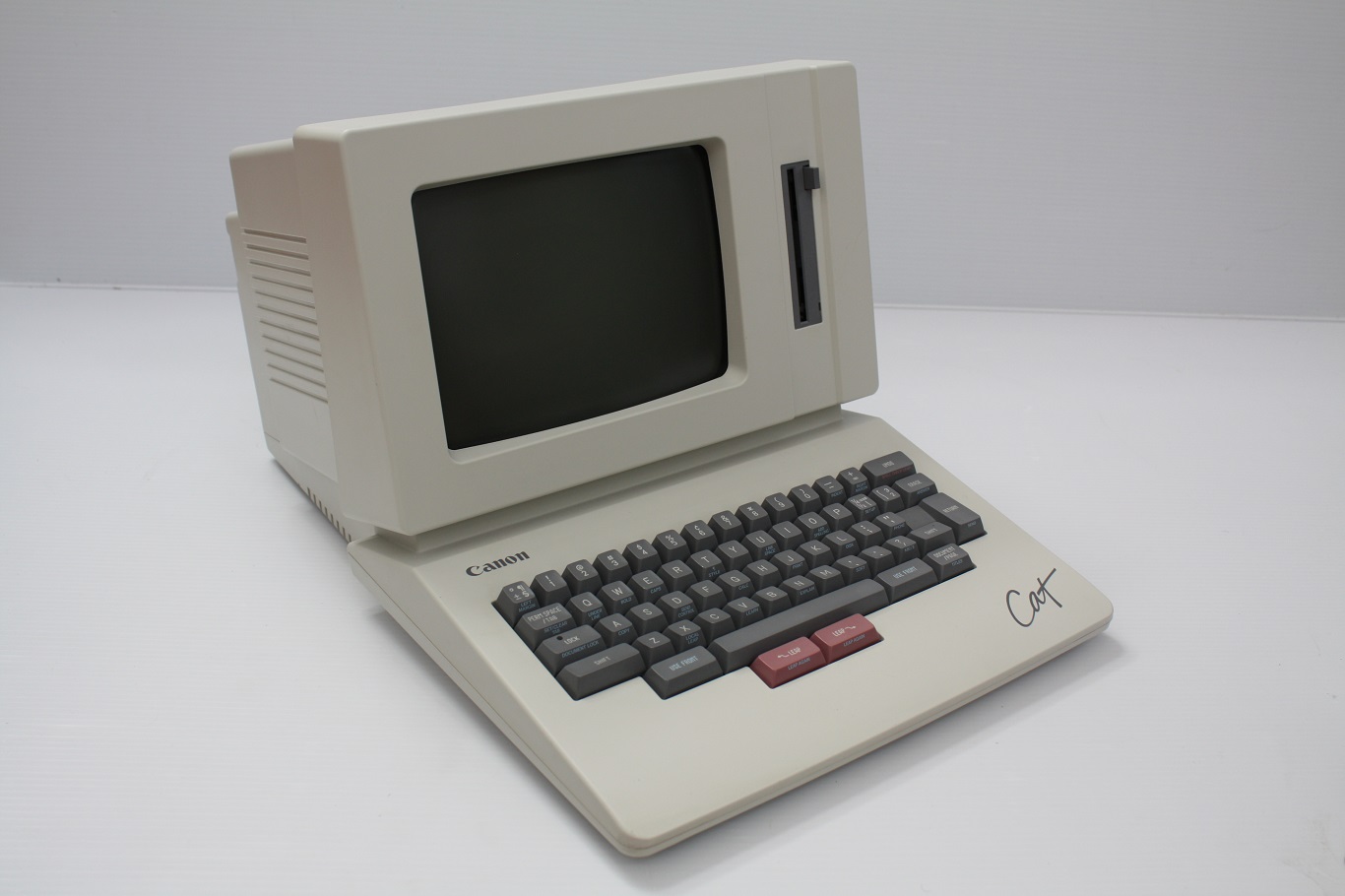
Image from Wikipedia.
Two frictions
Raskin also wrote The Humane Interface in 2000, where he built out the idea of cognitive friction. The resistance you feel when a device’s behaviour doesn’t match your idea of it. A menu you have to hunt through. A mode you forgot you were in. An option you never asked for, sitting between you and the thing you came to do. He spent his career trying to design that kind of friction out.
That’s not the friction I’ve been writing about in the other posts here, where the friction worth protecting is the moment where you have to decide what you want, before a system decides for you. Raskin was fighting confusion, not the decision I’ve been trying to protect.
A genuinely single-purpose device does both at once. Strip out the modes and the menus, and the only thing left to be confused about is what you actually came to do.
The Cat and the Pod
The Cat didn’t sell. Canon didn’t know how to market something that refused to be a computer, and a machine that does one thing has always been a harder sell on a spec sheet than one that does forty.
The closest thing I own to one of Raskin’s machines is an iPod I bought reconditioned last year. It’s a music player. Not a music player with a browser and a camera and a notes app and forty subscriptions living underneath. Just a music player. I know what it’s for before I pick it up. I never have to relearn what it’s for.
The first iPhone
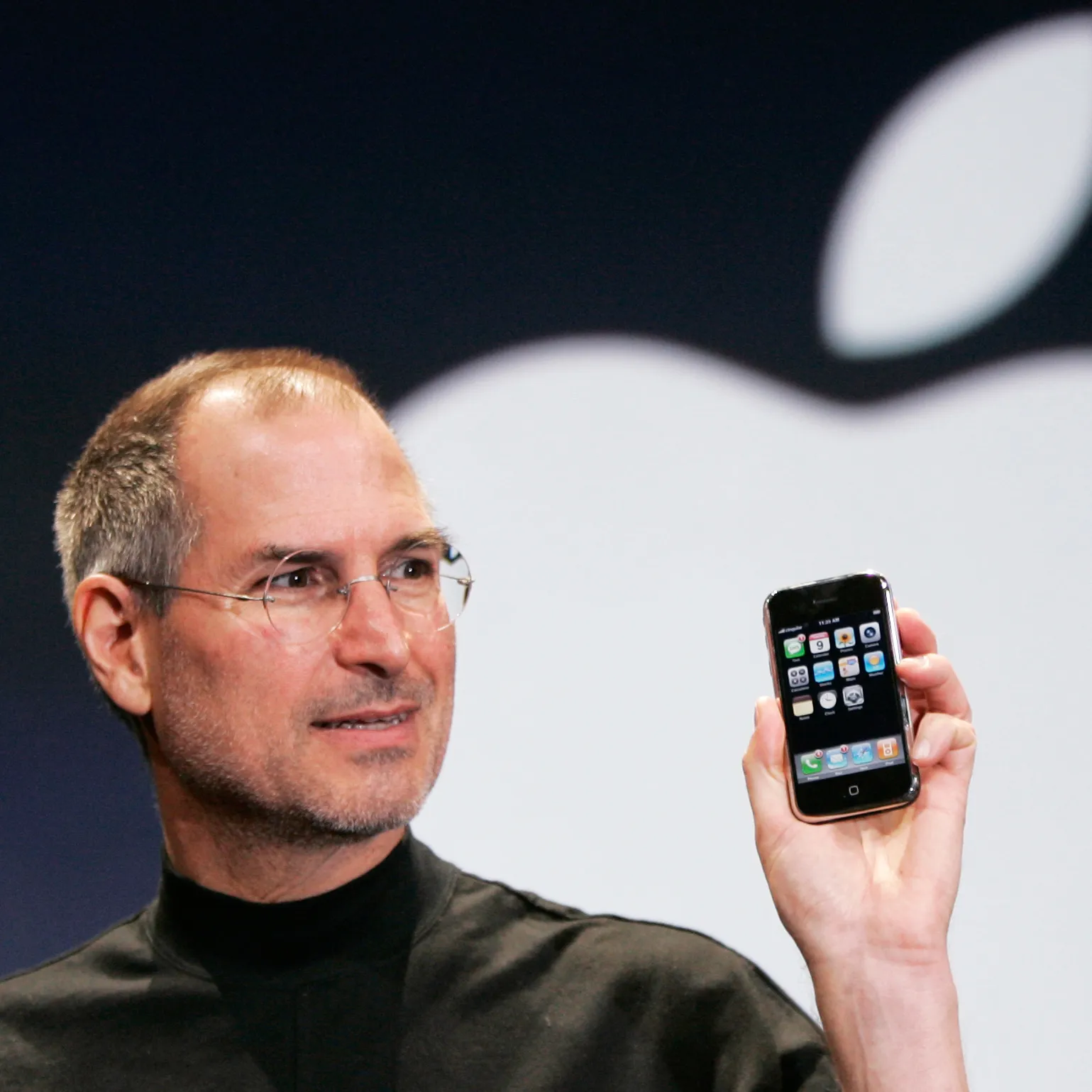
Steve Jobs didn’t want native apps on the first iPhone at all. At WWDC in 2007, he told developers to build for Safari instead: “The full Safari engine is inside of iPhone… you can write amazing Web 2.0 and Ajax apps that look exactly and behave exactly like apps on the iPhone… There’s no SDK that you need!” No app store, no installable software, nothing running on the device but what Apple had put there.
That lasted about four months. Developers wanted native apps, not web pages dressed up to look like them, and by October 2007 Jobs had announced an SDK was on the way. It shipped in March 2008. The App Store followed that July.
Even with native apps in the picture, Jobs kept one restriction going: only one ran at a time. He told the New York Times: “You don’t want your phone to be like a PC. The last thing you want is to have loaded three apps on your phone and then you go to make a call and it doesn’t work anymore.”
That’s Raskin’s argument. Protect the one function that actually matters from everything you could bolt onto it.
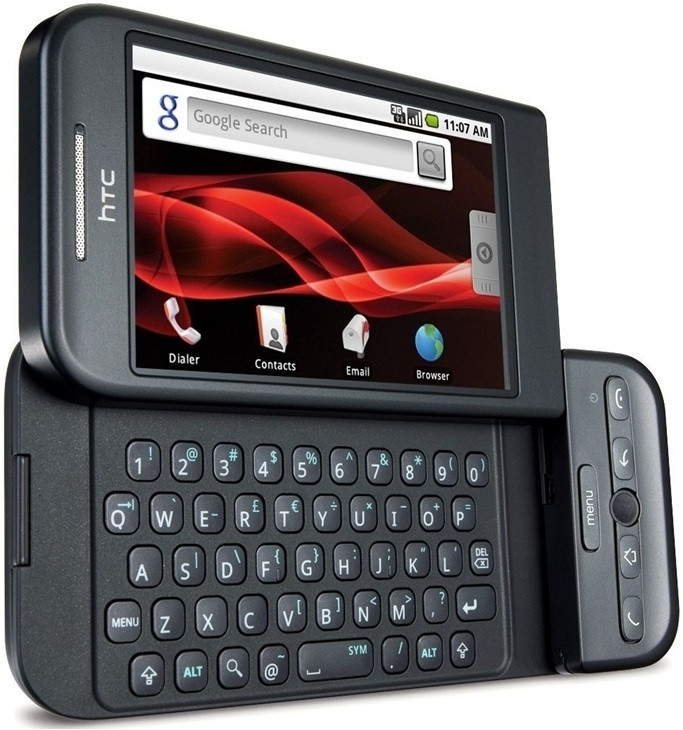
HTC G1.
The same pressure that broke the no-SDK rule broke this one too. Android had multitasking from the G1 in 2008, and by 2010 “can’t multitask” was a standard line in every comparison review. iOS 4 arrived that year to fix that as much as to use the extra memory and battery headroom Apple now had. Some of what got called principle in 2007 was really just the hardware of the day, but the years after weren’t only a hardware story. Once there was a competitor on the shelf doing more, the restraint stopped reading as design and started reading as a gap.
Applianceness isn’t something you can point to in a shop. You only feel it once you’re living with the thing, and by then the comparison’s already been made.
Why the appliance lost
The smartphone made the same bet in general, just without ever pretending otherwise. One device, every mode. Raskin would have called it a triumph of features over cognetics, not an information appliance. It won for reasons that have nothing to do with which one is better to think with: flexibility sells, a platform makes more money than an appliance, and a single company gets to own the whole relationship instead of just one part of it.
Building something that only does one thing takes the same discipline I wrote about with Anthropic and Google’s search box. Somebody has to keep saying no to the browser, the camera, the assistant, the forty subscriptions. Most companies making hardware today aren’t set up to do that, and most of us aren’t buying with that in mind either.
Raskin’s appliances only ever asked you to hold one function in your head at a time.
Everything since has been asking for more.
I'd love to tell you more.
Previous Journal Post
// The Discipline of No
More money was supposed to buy better decisions. Mostly it buys the excuse to skip making one.
A short one about Seth Godin, Yahoo’s homepage, and why more resources should mean fewer decisions, not more products.
Also: a search box with nothing else on it, a company that said yes to everything, and the part of the job that doesn’t scale with funding.